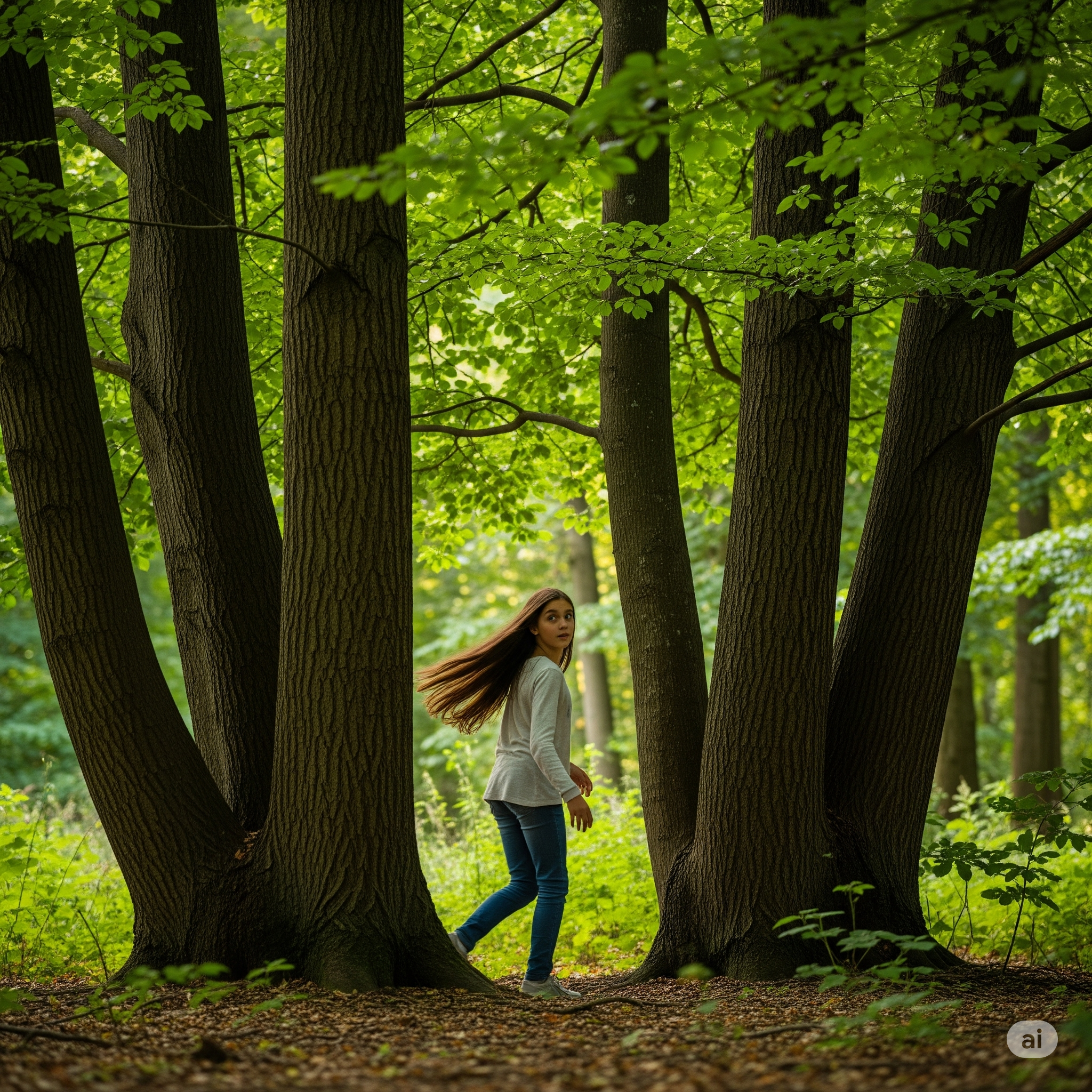
A while back, I shared a story about a little white dove that gave a seven-year-old girl a glimmer of hope in a stormy childhood. That hope was a precious seed, but it didn’t stop the storms. As I grew, so did the turbulence at home.
By the time I was 12, the choice I often faced was a brutal one. It was either stay and risk a fist to the face or the gut from my mother when the drinking turned her mean, or run. More and more, I chose to run.
I grew up on the Central Coast of California, in a little town called Los Osos. Back then, in the late 60s and early 70s, it was mostly wild, undeveloped land. Our house sat at the foot of the hills, which meant I had a wilderness for a backyard. For most kids, it was a playground. For me, it became a lifeline.
Even at just 12 years old, my survival mode was fully engaged. I knew I needed a plan. So, I started building forts. These weren’t the playful forts of childhood games; they were shelters, hidden escape routes woven into the landscape I knew so well. I had them tucked away all over those hills.
Many of my forts were nestled deep within clusters of trees, natural little rooms where the branches formed walls and the leaves made a roof. They were invisible to the outside world. And in them, I methodically stocked the supplies I might need: canteens of water, non-perishable food like canned beans or crackers, and a sleeping bag I’d managed to get. It was a conscious act of self-preservation. I was creating my own safety.
When the anger in the house would begin to boil, I knew it was time to go. I’d slip out the back and disappear into the hills. The moment I was inside one of my tree forts, a profound sense of peace would wash over me. I was sheltered from the wind, hidden from sight, and most importantly, safe from the violence. Those hills, those trees—they protected me when my home couldn’t.
I know there are so many people out there, especially kids, who are battling the same kind of abuse, or even worse. The feeling of being trapped, of having nowhere to turn, is suffocating. If you’re reading this and that’s you, I want you to hear me: you find a way. You create your own sanctuary. Maybe it’s not a fort in the hills. Maybe it’s the corner of a library, the world inside a book, a trusted teacher’s classroom after school, or a passion like art or music that lets you build a safe world of your own.
I survived my childhood. I carry the scars, of course. For a long time, I was ashamed of them. But I look at them differently now, at 64. I see them as symbols. They are the tally marks from all the times life tried to break me and failed.
Those nights spent alone in the hills taught me to be resourceful, independent, and resilient. They taught me how to find peace in the quiet and how to rely on myself. I wouldn’t be the woman I am today without those experiences. The scars didn’t break me; they helped build me into someone stronger and wiser.
So, if you’re covered in scars of your own, whether they are on your skin or on your soul, know this: they are not signs of your weakness. They are a testament to your strength. They are proof that you are, and always have been, a survivor.
If you found meaning in my story, feel free to caffeinate the creator. https://beyondtheblog.org/power-the-next-post/
Leave a Reply